
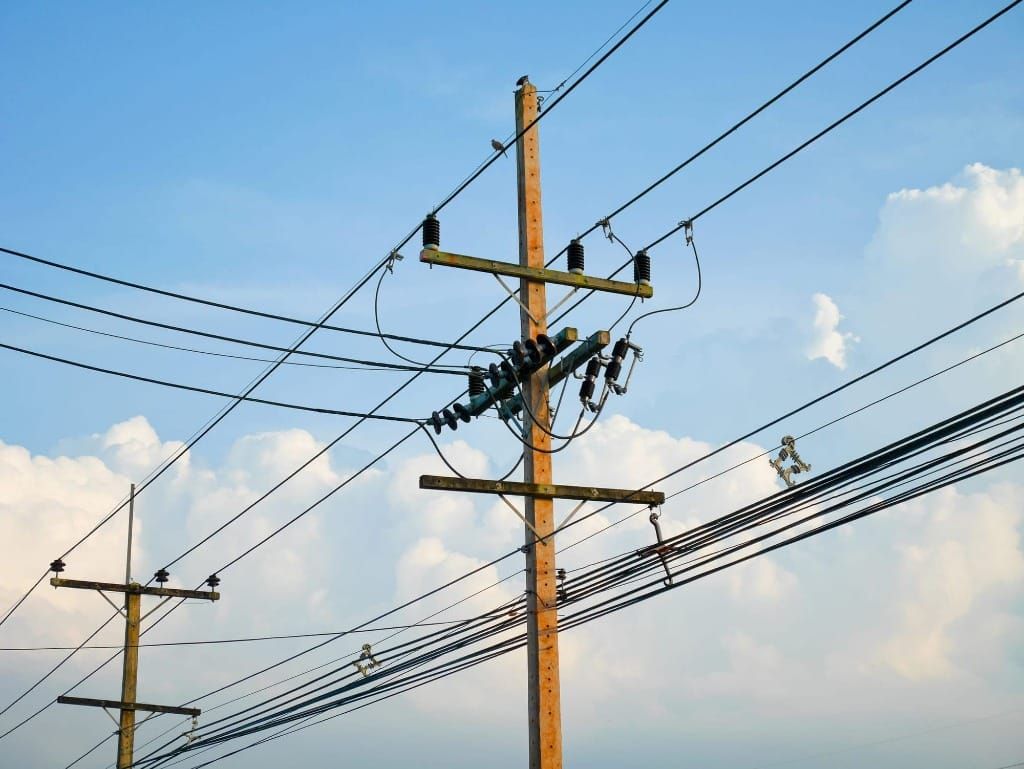
Utility poles are essential infrastructure for broadband, telephone, and cable networks, which is why attachment disputes can affect deployment across entire communities. Federal law addresses access to certain poles, ducts, conduits, and rights-of-way while also regulating rates, terms, conditions, complaint procedures, and make-ready work.
Section 224 of the Communications Act provides the core federal framework, although state regulation can change which authority handles a particular dispute.
What Section 224 Regulates
Section 224 authorizes FCC regulation of pole attachments within its jurisdiction. The framework addresses just and reasonable rates and conditions, nondiscriminatory access for covered attachers, complaint procedures, and allocation of certain make-ready costs. Utilities may deny access for limited reasons including insufficient capacity, safety, reliability, and generally applicable engineering concerns.
Infrastructure issues sometimes appear in broader regional reporting, but an actual pole-access dispute turns on the type of utility, attacher, facility, jurisdiction, and applicable federal or state rules.
Access Applications and Make-Ready Work
Attaching new communications equipment can require existing cables or equipment to be moved so the pole remains safe and compliant with engineering requirements. FCC rules establish processes governing applications and make-ready work.
One-touch make-ready procedures can allow a qualifying new attacher to perform certain simple work through approved contractors. The rules also address surveys, notices, utility review, and situations where work is considered complex rather than simple.
Coverage from local publishing outlets may explain why network construction is delayed, but the legal cause can be much narrower, such as application completeness, contractor qualifications, capacity, engineering changes, or make-ready scheduling.
Rates, Terms and Pole Attachment Disputes
Section 224 does not simply create access rights. It also provides a regulatory structure for determining whether covered rates, terms, and conditions are lawful.
| Issue | Typical Question | Relevant Concern |
|---|---|---|
| Access | Can attachment be denied? | Capacity, safety, engineering |
| Rate | Is the charge permitted? | Applicable rate framework |
| Make-ready | Who performs and pays? | Work classification and rules |
| Delay | Is processing reasonable? | Required procedures and timing |
Readers may find infrastructure debates through community reporting sources, but billing records, pole applications, engineering notices, contracts, and regulatory correspondence usually matter more in an attachment complaint.
Why Federal Rules Do Not Answer Every Case
A common mistake is assuming FCC pole-attachment rules apply identically nationwide. Section 224 allows qualifying states to regulate pole attachments themselves, which can shift disputes from the federal system to a state regulatory framework.
Another problem is assuming a requested attachment must always be approved. Federal access protection remains subject to legitimate considerations such as safety, capacity, reliability, and generally applicable engineering standards.
When a Pole Dispute Should Be Escalated
Escalation may be appropriate when an application appears stalled without a regulatory basis, access is denied without adequate engineering support, make-ready charges are disputed, or recurring rates appear inconsistent with the governing framework.
Before filing a complaint, preserve the application, pole list, engineering records, invoices, correspondence, timelines, and contract documents. Communications counsel or a state utility specialist may be needed where jurisdiction itself is disputed.
Frequently Asked Questions
Can a utility refuse access to a pole?
Sometimes. Under the federal framework, covered utilities may deny access for reasons such as insufficient capacity, safety, reliability, or generally applicable engineering purposes.
What is make-ready work?
Make-ready work generally refers to changes needed to existing pole equipment so a new attachment can be installed safely and consistently with applicable engineering requirements.
Does the FCC decide every pole attachment dispute?
No. Section 224 allows states meeting statutory requirements to regulate pole attachments themselves. Jurisdiction should therefore be checked before choosing a complaint forum.
Check Jurisdiction Before Fighting the Merits
Pole disputes often become expensive because parties begin arguing about rates or engineering before confirming which rules control. Start with jurisdiction, then identify the attachment type, application history, make-ready classification, charges, and written reasons for any denial or delay. That sequence can prevent a deployment disagreement from becoming an avoidable procedural dispute.
This article is for general informational purposes and is not a substitute for legal advice.