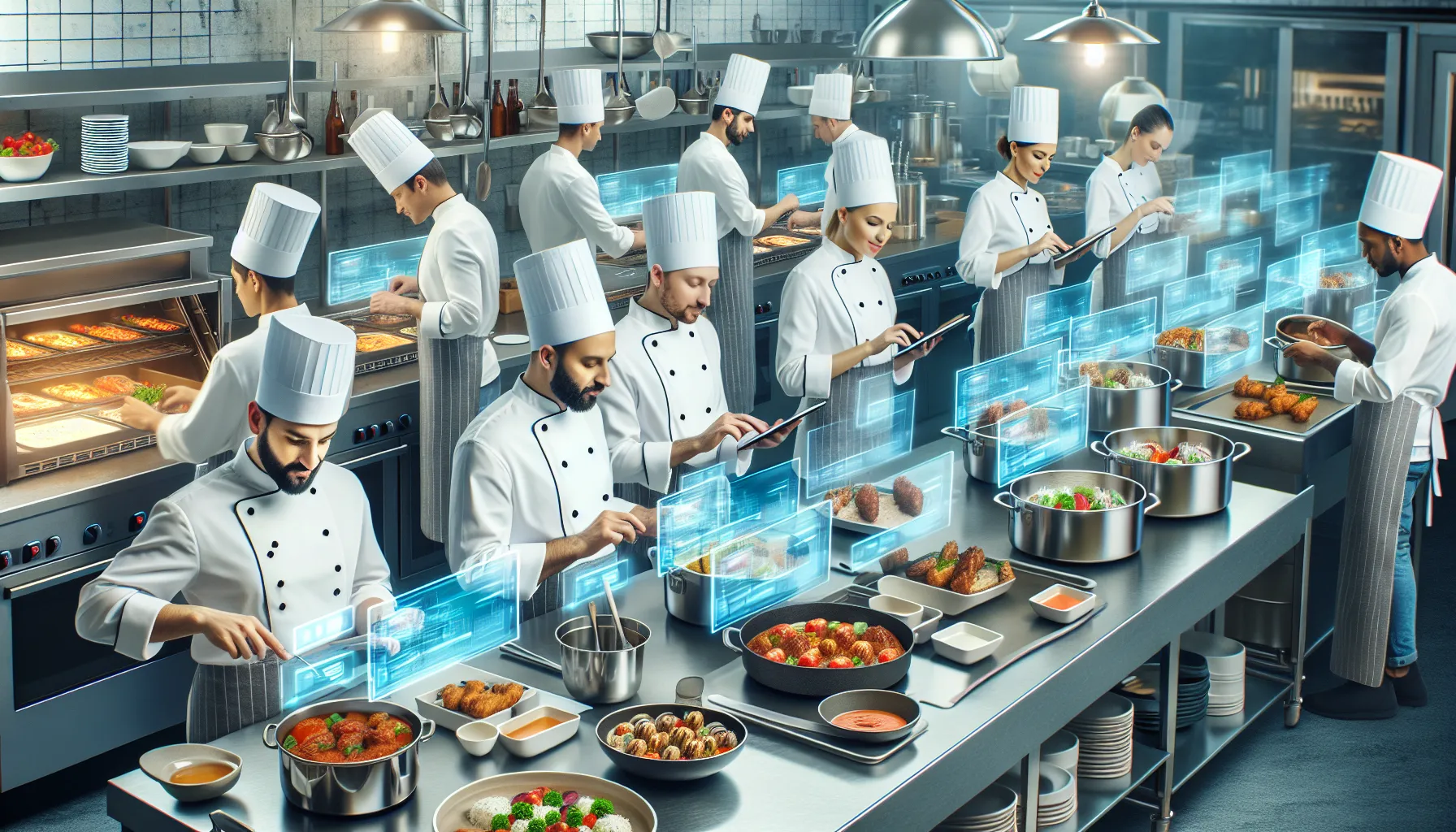
A ghost kitchen may have no dining room, but that does not remove the legal obligations associated with preparing food for the public. Ghost kitchen laws can involve food-establishment licensing, inspections, zoning, shared-kitchen arrangements, delivery practices, brand disclosures, and consumer-facing information.
FDA materials specifically recognize ghost kitchens as businesses that prepare and fulfill orders for delivery without a conventional storefront. Food-safety concerns therefore continue from preparation through the delivery process.
A Delivery-Only Model Still Needs Proper Approval
Removing tables and servers doesn’t turn a commercial kitchen into an unregulated operation. A ghost kitchen may need food-service approval, business registrations, zoning compliance, fire review, and other licenses required by the jurisdiction.
Shared facilities can make responsibility less obvious. Operators should determine which permits belong to the building or kitchen operator and which must be held by each food brand using the premises.
Brand development sometimes includes fashion or visual research such as women’s cowboy hat collections. That may shape promotional styling, but legal approval depends on government requirements tied to the actual kitchen and business structure.
Inspections Focus on the Kitchen, Not the Dining Room
Inspectors can still examine food storage, cooking processes, handwashing, cleaning, equipment, employee practices, pest control, and other conditions affecting food safety.
The FDA Food Code 2022 is a model designed to promote safe food offered through retail and food-service operations. States and local governments may adopt or modify it, so the exact inspection standard should be confirmed with the applicable agency.
Workers moving repeatedly between prep stations and pickup areas may research items such as long-distance shoe guidance. Workplace comfort can matter operationally, while sanitation and food-service compliance remain separate regulatory questions.
| Area | Possible Compliance Issue | Control Point |
|---|---|---|
| Kitchen | Licensing and inspection | Health authority |
| Facility | Shared-space responsibilities | Written agreement |
| Delivery | Food protection | Packaging and handling |
| Customer listing | Brand accuracy | Ordering platform |
Delivery Creates a Separate Food-Safety Stage
Food can be correctly prepared and still face problems during pickup or delivery. FDA-supported best practices for third-party delivery discuss vulnerabilities that can arise during the “last mile” between a food business and the consumer.
Ghost kitchens should establish clear pickup procedures, suitable packaging, separation of orders, and instructions for employees or delivery partners where appropriate.
External communications matter too. General media material such as California digital publishing coverage may help a company think about publicity, but consumer-facing restaurant information should accurately identify the business responsible for preparing the order.
Consumer Disclosure Can Become Complicated With Virtual Brands
One kitchen may operate several online restaurant names. That business model can be lawful, but operators should avoid misleading customers about who is selling or preparing the food.
Platform listings, receipts, contact information, refund procedures, allergen communications, and legally required notices should correspond with applicable law and the actual operating entity. Requirements may differ by state and city.
Where Ghost Kitchen Operators Miscalculate
A common mistake is believing that a virtual brand is legally separate simply because it has a different name on a delivery app. Trade names, entities, permits, and contracts are distinct concepts.
Another error is assuming the delivery platform handles every legal obligation after pickup. Responsibilities may be divided among the kitchen, restaurant brand, platform, and independent delivery provider depending on the issue.
When to Ask a Regulator or Attorney
Regulatory guidance is useful before opening a shared kitchen, adding another food concept, moving facilities, or making major changes to preparation processes.
Legal review may be valuable when structuring multiple brands, negotiating shared-kitchen agreements, dealing with customer-disclosure questions, handling a serious food-safety complaint, or responding to enforcement action.
Frequently Asked Questions
Does a ghost kitchen need a restaurant license?
It normally remains subject to applicable food-establishment licensing even without a dining room. The exact permit name and requirements depend on the jurisdiction and operating model.
Can several virtual restaurants operate from one kitchen?
They can in many circumstances, but licensing, entity structure, assumed-name registration, contracts, and consumer disclosures should be reviewed for each particular arrangement.
Are delivery apps responsible for food safety after pickup?
Responsibility can depend on applicable law and contracts. FDA materials recognize food-safety vulnerabilities during delivery, so kitchens should not assume that all responsibility automatically ends at handoff.
Treat the Kitchen and Digital Storefront as One Operation
A ghost kitchen may be invisible from the street, yet regulators and customers still interact with a real food business. Confirm the kitchen’s approval, document shared-space responsibilities, establish safe handoff procedures, and make sure each virtual brand accurately represents the operation behind it.
This article provides general legal information and is not a substitute for advice from a qualified attorney or the responsible regulatory authority.